
How Shift Work Affects Police Officer Health

by Heidi Enders | Sep 11, 2026 | Police Health

Shift work is not simply an inconvenience for police officers; it is a direct occupational health hazard. The rotating and night shifts that are standard in policing disrupt circadian rhythms, suppress immune function, and drive the cardiovascular and metabolic disease that shortens officers’ lives.

Key Insights

  • Circadian disruption is the root mechanism behind most police health problems: Shift work breaks the body’s internal clock, which drives hypertension, metabolic dysfunction, and cardiovascular disease.
  • Night shifts carry the highest health cost: Officers working predominantly night shifts show the largest elevation in cardiovascular and metabolic disease risk.
  • Rotating shifts prevent adaptation: Officers who rotate between night and day shifts cannot adapt to either schedule, keeping them in a state of chronic circadian misalignment.
  • Screening cadence matters more for shift workers: Because the disease progression is accelerated, shift workers need more frequent screening to catch emerging disease early.

How Shift Work Disrupts Physiology

The circadian clock regulates blood pressure, hormone secretion, glucose metabolism, and immune function. When an officer works nights, the body’s internal timing is fighting the external schedule. Cortisol, normally high in the morning and low at night, becomes dysregulated. Melatonin production fails to suppress during the night shift. Blood glucose regulation deteriorates. Over years, this chronic misalignment becomes chronic disease.

The Metabolic Cascade

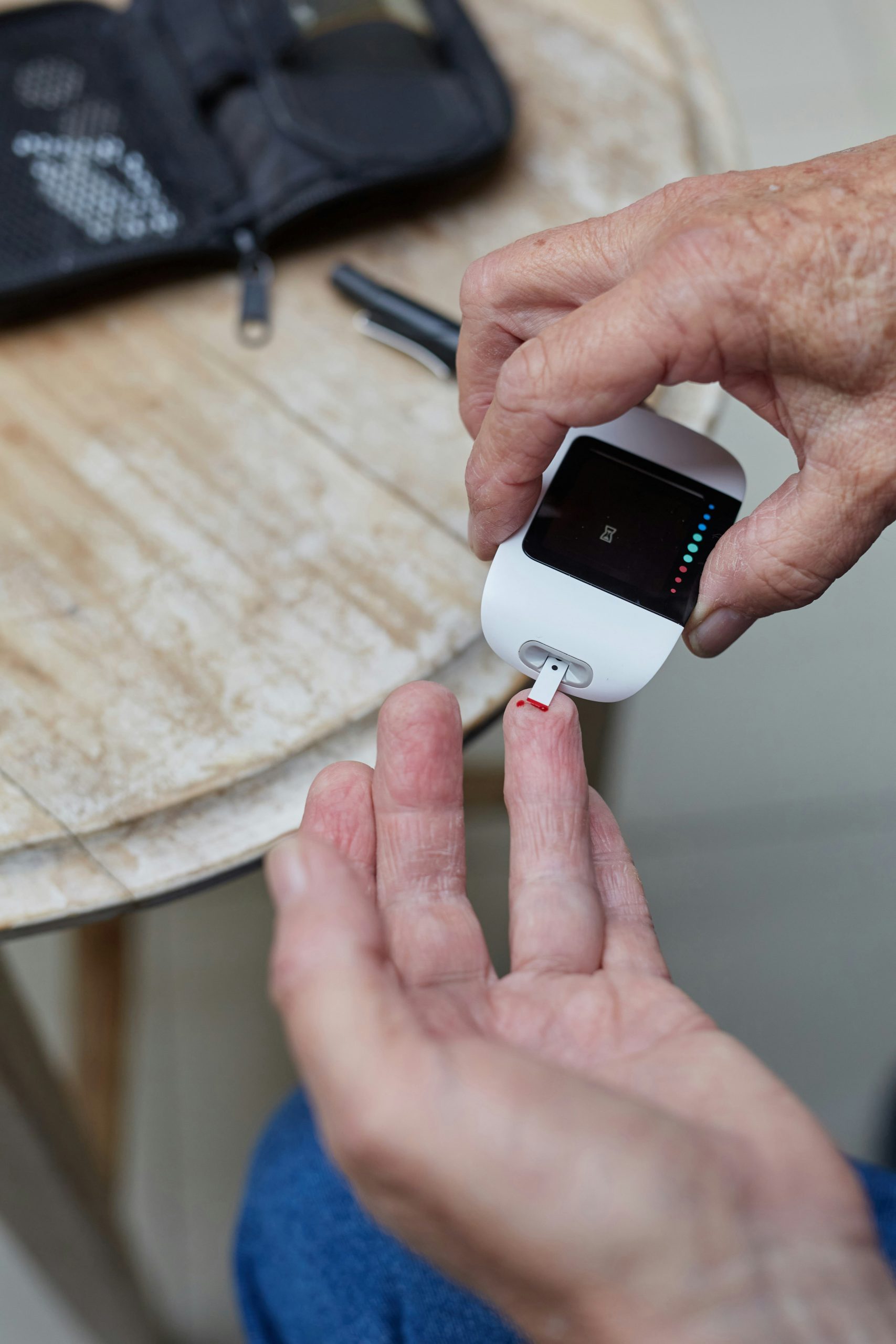
Circadian disruption directly drives metabolic syndrome: elevated triglycerides, low HDL, central obesity, and glucose dysregulation. These are not separate problems; they are a cascade response to shift work. They also are largely silent—an officer can have metabolic syndrome and feel fine—which makes screening essential.

Implications for Screening and Prevention

Knowing an officer works shift work changes screening strategy. These officers need more frequent assessment, earlier screening, and more aggressive management of emerging risk factors. This is the hub post that connects the rest of the police health cluster: shift work is the root cause, and the other posts explore how that manifests in specific diseases.


Frequently asked questions

How does sleep deprivation affect health?

Chronic sleep loss disrupts the overnight fall in blood pressure that gives the cardiovascular system daily recovery, impairs glucose processing, and affects inflammatory markers. Over time these contribute to sustained hypertension and elevated metabolic risk rather than simply causing tiredness.

How common are sleep disorders among police officers?

A study of nearly 5,000 police officers published in JAMA found 40.4 percent screened positive for at least one sleep disorder, with the majority previously undiagnosed. Obstructive sleep apnea was most common at 33.6 percent screening positive.

What is obstructive sleep apnea?

Obstructive sleep apnea is a condition where breathing repeatedly stops and restarts during sleep, producing cycles of oxygen desaturation that strain the cardiovascular system. Untreated, it is associated with hypertension, arrhythmia, and elevated cardiovascular risk, and it is highly treatable once identified.

Why do police officers sleep poorly?

Rotating and overnight shifts prevent the body from adapting to any consistent pattern, and daytime sleep conflicts with the internal clock signaling wakefulness. Research on officers working twelve hour rosters found poor sleep quality in 69 percent of the sample.

Does poor sleep raise blood pressure?

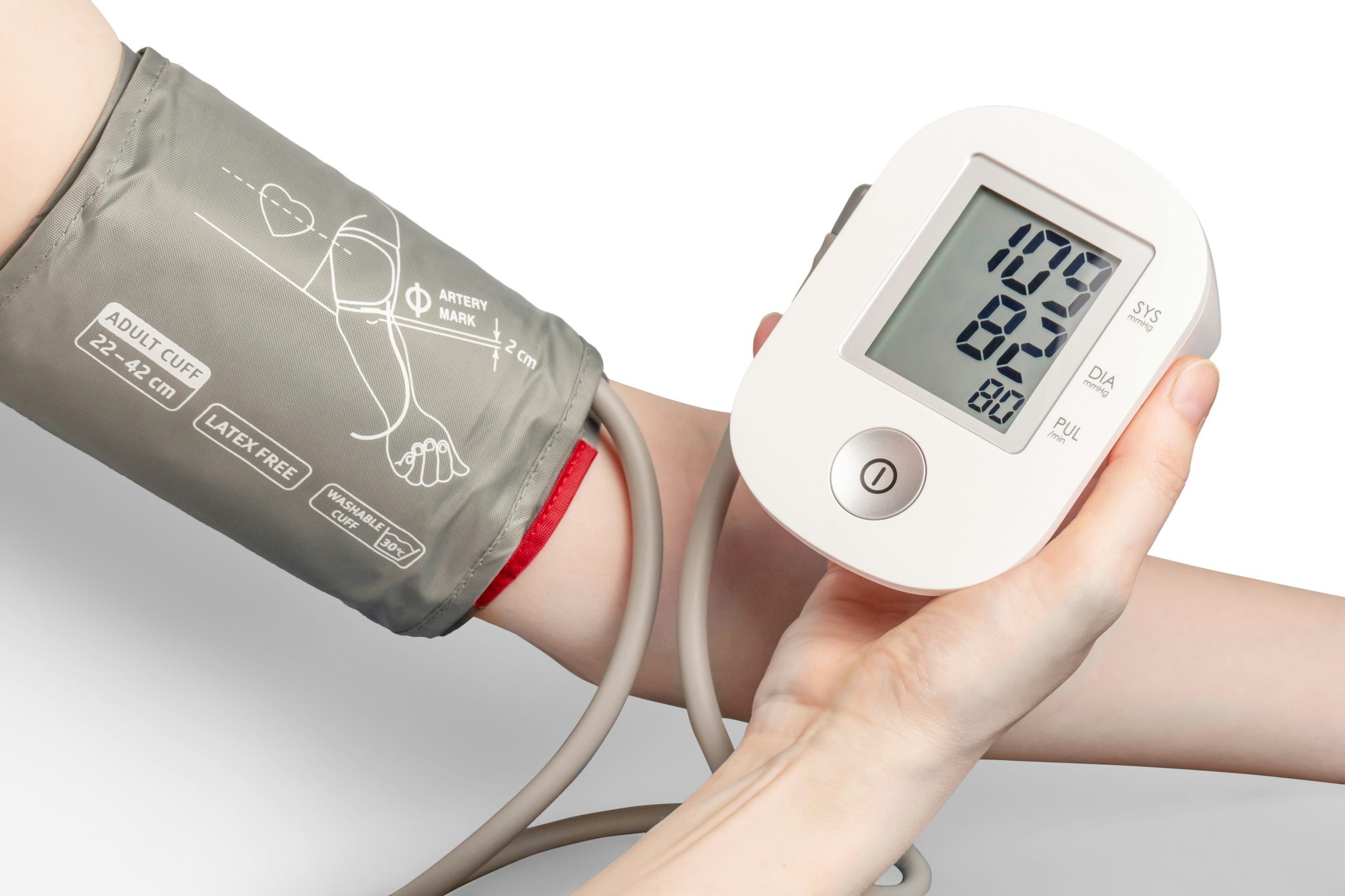
Blood pressure normally falls during sleep, and chronic disruption of that pattern contributes to sustained elevation. Research on shift working officers found blood pressure and fatigue levels strongly related after accounting for age, waist to hip ratio, and lifestyle factors.

Can sleep problems affect blood sugar?

Yes. Insulin sensitivity is affected by both sleep duration and circadian alignment, and sleep restriction has been associated with impaired glucose tolerance. This is one mechanism connecting shift work and poor sleep to elevated metabolic risk in officers.

How would an officer know they have a sleep disorder?

Often they would not. Sleep apnea occurs during sleep, so the noticeable symptoms are daytime fatigue and poor rest quality, which officers typically attribute to their schedule. This is why most cases in the JAMA study were previously undiagnosed.

Are sleep disorders treatable?

Obstructive sleep apnea in particular responds well to treatment once diagnosed. The main obstacle is detection rather than available care, which is why raising sleep during a medical evaluation matters.

Does health screening test for sleep disorders?

Screening does not measure sleep directly, but it identifies the cardiovascular and metabolic effects of chronic sleep disruption, including elevated blood pressure and abnormal glucose. A physician reviewing those findings can discuss sleep and refer for proper evaluation when warranted.

Can NDS screen officers on night shift?

Yes. We bring a mobile wellness clinic on-site and screen across every watch, including overnight, so officers are evaluated during working hours rather than during their sleep period. This substantially raises participation among the officers most affected.

Stop Treating Poor Sleep as Part of the Job

Chronic sleep loss has measurable cardiovascular and metabolic consequences, and a large share of officers carry treatable sleep disorders without knowing it. NDS Wellness brings physician-led screening to your department on every watch.

Heidi Enders

Director of Corporate Services @ NDS Wellness 

Heidi Enders is passionate about making preventative care easy to reach. As Director of Corporate Services at NDS Wellness, she helps design and deliver on-site health screening programs for employers and first responders, removing the barriers of participation so teams get real, physician-led care where they already are.

heidi-enders

More posts