Type 2 diabetes does not arrive suddenly. It develops across years of gradually rising blood glucose, through a stage where the numbers are abnormal but no symptoms exist and the process is still reversible. That stage is where screening finds it, and it is also where almost nobody looks.
For police officers, the path toward it is shorter than for the general population. Shift work, sustained stress, and the practical conditions of the job all push glucose regulation in the same direction. This article covers why that happens, what the markers are, what the condition costs when it progresses, and why the window before diagnosis is the one that matters.
Key Insights
- Metabolic risk is the pathway, and it is elevated in policing: A meta-analysis estimated metabolic syndrome prevalence among police officers at 26.2 percent, compared with 8.3 percent in general military personnel.
- Risk factors multiply rather than add: NDS aggregate screening data shows individuals with three asymptomatic risk factors for metabolic syndrome are five times more likely to develop diabetes mellitus.
- Shift work is an independent contributor: Research has associated shift work with increased type 2 diabetes risk, operating through circadian disruption of insulin sensitivity and glucose processing.
- The pre-diagnosis stage is silent and detectable: Elevated fasting glucose and rising HbA1c appear on routine blood work years before symptoms, which is when intervention works best.
- The cost difference is substantial: NDS program data puts annual health spend for individuals with diabetes complications at $25,224 per year, against $4,418 for individuals aged 50 to 51 without complications.
How Diabetes Actually Develops
Type 2 diabetes is the end of a long process, not an event. It begins with insulin resistance, where the body’s cells respond less efficiently to insulin and the pancreas compensates by producing more. For years, that compensation works and blood glucose stays within or near normal range. Eventually the compensation falls behind, glucose rises, and the threshold for a diabetes diagnosis is crossed.
The stage before that threshold is where the opportunity sits. Fasting glucose is elevated but not diabetic. HbA1c, which reflects average blood glucose over roughly three months, is rising. There are no symptoms whatsoever. And at this point the trajectory still responds well to intervention.
The catch is that this stage is invisible without a blood test. An officer feels completely normal, performs normally, and has no reason to suspect anything.
Why Policing Accelerates the Process
Circadian Disruption Affects Glucose Directly
Insulin sensitivity follows a daily rhythm. The body handles glucose differently at three in the morning than at midday, and that difference is biological rather than behavioral. Rotating and overnight shifts put eating and activity out of alignment with that rhythm.
Research across occupations has associated shift work with increased type 2 diabetes risk, and shift work has been implicated more broadly as a risk factor for metabolic syndrome, increased waist circumference, and abnormal body mass index. For officers, this is not a lifestyle failing. It is a physiological consequence of the schedule the job requires.
Sustained Stress Contributes
Chronic activation of the stress response affects glucose regulation and blood lipids. Research examining police officers found that those in the highest quartile of occupational stress showed significantly higher triglycerides and lower HDL cholesterol than colleagues in the lowest quartile, along with greater odds of developing metabolic syndrome.
The Conditions of the Shift
Irregular meal timing, limited food options during a watch, and long seated periods all contribute. None of these is unique to policing, and none of them alone explains the pattern. Combined with the two factors above, they describe an occupational environment that pushes glucose regulation in one direction over a career.
The Markers That Show Up First
Several results on a comprehensive blood panel indicate where an officer sits on this path.
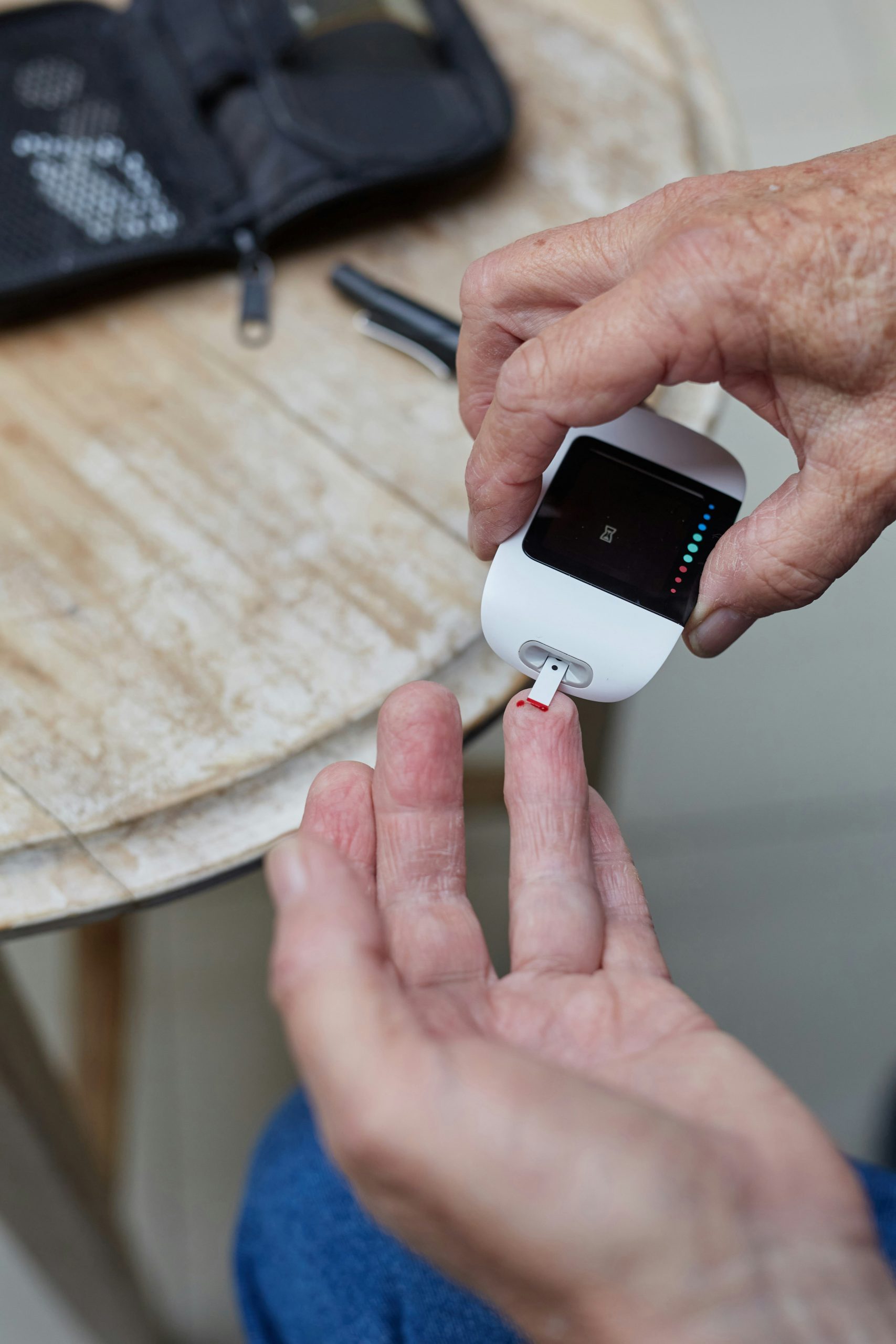
Fasting glucose measures blood sugar after a period without eating. Elevated readings below the diabetic threshold indicate impaired fasting glucose.
HbA1c reflects average blood glucose over roughly the preceding three months, which makes it less sensitive to what happened the day before the test and more useful as a trend indicator.
Triglycerides and HDL cholesterol are part of the same metabolic picture. Rising triglycerides with falling HDL is a recognizable pattern that frequently accompanies insulin resistance.
Waist circumference and blood pressure complete the metabolic syndrome criteria. When three or more of these findings appear together, risk rises sharply.
Why the Combination Matters More Than Any Single Number
This is the concept worth carrying away. A slightly elevated fasting glucose on its own invites the response that it is not that bad. NDS aggregate screening data shows that individuals with three asymptomatic risk factors for metabolic syndrome are twice as likely to develop cardiovascular disease and five times more likely to develop diabetes mellitus.
Five times. In people with no symptoms at all. That multiplication is the argument for comprehensive blood work over a basic finger prick glucose check, because one number in isolation cannot tell you whether it is part of a pattern.
What It Costs When It Progresses
For a chief or a municipal budget holder, this has a financial dimension worth stating plainly. NDS aggregate program data puts annual health spend for individuals with complications from diabetes at $25,224 per year, against an average of $4,418 for individuals aged 50 to 51 without complications.
That gap is not the cost of having diabetes. It is the cost of diabetes with complications, which is what develops when the condition goes undetected and unmanaged for years. The stage before diagnosis is where that trajectory can still be changed, and it is identified with a blood test.
What Changes the Outcome
Impaired glucose regulation responds to intervention, particularly when caught early. Management is directed by a physician who evaluates the full metabolic picture and builds a plan around the specific findings, typically combining clinical management with sustained changes to activity and eating patterns.
What does not work is a number without context. An officer who receives a lab printout showing a slightly high glucose, with no explanation of what it means or what happens next, has been given information rather than care. The value comes from a clinician who explains where that number sits, what the surrounding results add, and what the specific next step is.
How NDS Wellness Screens for Metabolic and Diabetes Risk
NDS Wellness brings physician-led screening to your department across every watch. Our police health and wellness programs include comprehensive blood analysis covering fasting glucose, HbA1c, the full lipid panel, and the chemistry markers needed to see the complete metabolic picture rather than a single reading.
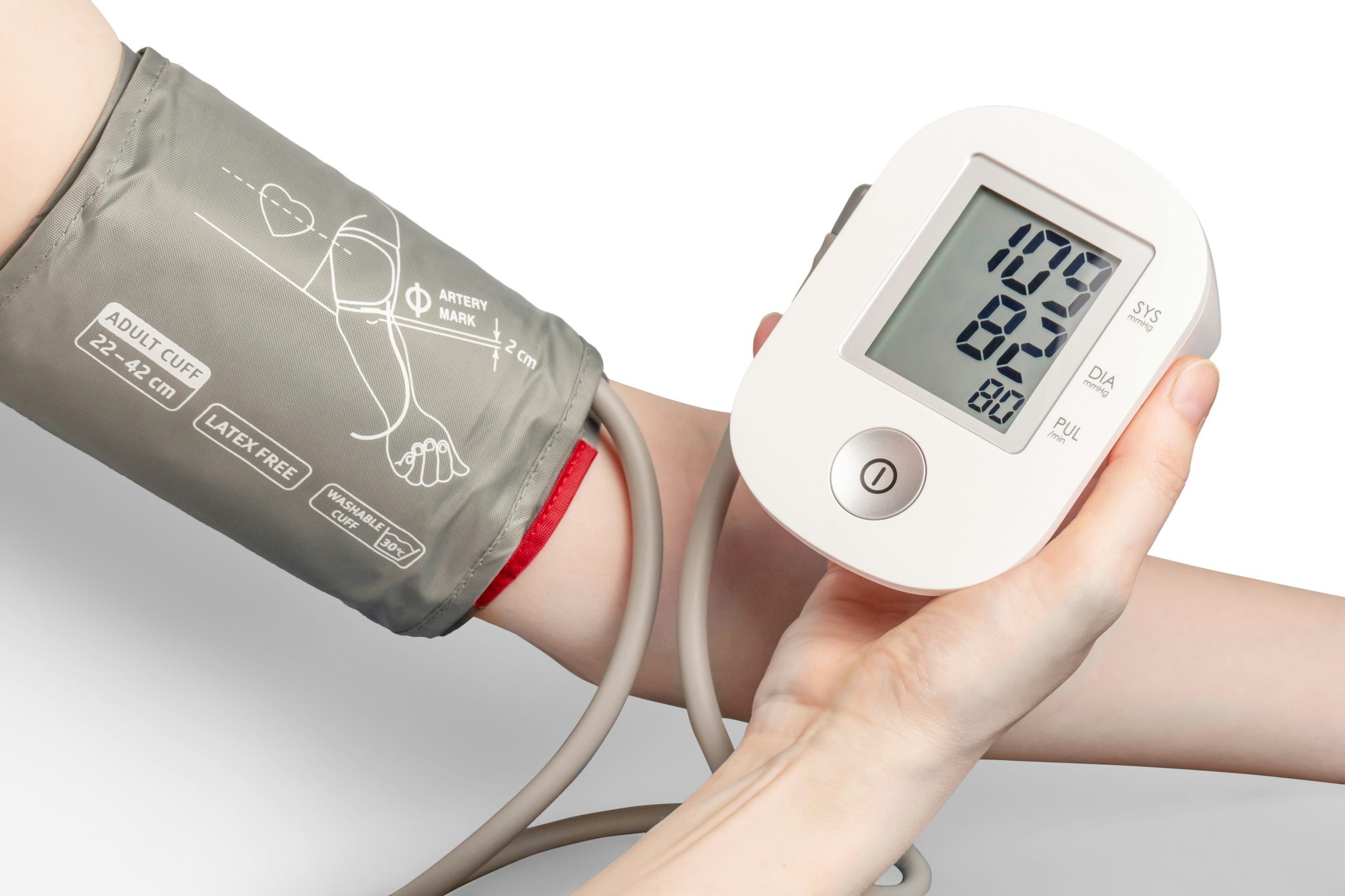
That blood work is paired with a full physical examination, blood pressure evaluation with personalized guidance, and a complete cardiovascular workup, because metabolic and cardiac findings inform each other directly. A physician reviews everything together with the officer and explains what the combination means.
When findings need attention, we coordinate follow-up care. Results stay confidential between the officer and the clinician.