Firefighter cancer risk is well documented, widely discussed, and increasingly reflected in presumption laws. Police cancer risk is not. The exposures are different, the research is thinner, and the conversation in law enforcement has barely started.
That gap does not mean the risk is absent. It means it is less studied. This article covers what the published research actually supports, what exposures officers carry, and, just as importantly, where the evidence is weaker than people assume. An honest account is more useful to a department than an alarming one.
Key Insights
- The evidence suggests elevated risk for specific cancers: A review of the epidemiology concluded that available evidence suggests police may face increased overall cancer risk, particularly for Hodgkin’s lymphoma, melanoma, and bladder or testicular cancer.
- The research base is genuinely limited: The same review noted studies have been hampered by imprecise exposure assessment, the healthy worker effect, selection bias, and a small number of studies overall.
- Night shift work is classified as a carcinogen: The International Agency for Research on Cancer has evaluated night shift work as carcinogenic to humans, and officers carry that exposure across entire careers.
- Documented exposures support biological plausibility: Officers encounter traffic-related air pollution, ultraviolet radiation, radar emissions, and occasional chemical hazards, all of which have been described in the occupational literature.
- Detection is the practical response: Because exposure across a career cannot be eliminated, the actionable step is regular screening built around the specific cancers the research flags.
What the Research Actually Supports
The most useful summary of this subject is a review of the epidemiology of cancer among police officers, published in the American Journal of Industrial Medicine. Its conclusion is carefully worded, and the wording matters: available epidemiologic evidence suggests police officers may be subject to increased overall risks for cancer incidence and mortality, particularly Hodgkin’s lymphoma, melanoma, and bladder or testicular cancer.
The same review is equally clear about the limitations. Studies of cancer among police have been subject to imprecise exposure assessment, the healthy worker effect or other forms of selection bias, and a lack of characterization of confounding. Little is known about how multiple carcinogenic exposures combine or interact. The authors describe law enforcement as an understudied occupation with a clear need for further evaluation.
Both halves of that are important. There is a signal. It is not as firmly established as the firefighter cancer evidence, which rests on far more studies and larger cohorts.
Why the Comparison to Firefighters Matters
Firefighter cancer research includes large multi-city cohort studies following tens of thousands of firefighters across decades, with consistent findings across multiple cancers. Police cancer research does not have an equivalent body of work. Anyone presenting police cancer risk as equally well established is overstating what has been demonstrated.
The practical implication is not that officers should be unconcerned. It is that the case for screening rests on documented exposures and biological plausibility alongside the epidemiology, rather than on the epidemiology alone.
The Exposures Officers Actually Carry
Night Shift Work
This is the strongest and most universal exposure in policing. The International Agency for Research on Cancer has evaluated night shift work as carcinogenic to humans, with circadian disruption and suppression of melatonin production among the proposed mechanisms. Unlike the other exposures on this list, essentially every officer working a rotating or overnight roster carries it, for as long as they work that schedule.
Traffic Related Air Pollution
Officers on traffic duty, and to a lesser degree anyone spending long hours in or beside vehicles in congested areas, encounter vehicle exhaust and associated particulates. The occupational literature has documented this exposure among traffic police specifically.
Ultraviolet Radiation
Outdoor duty across a career accumulates sun exposure, which is relevant to the melanoma signal in the research. This is one of the more addressable exposures, and it is also one where screening is straightforward, since a skin examination is a routine part of a thorough physical.
Radar Emissions and Chemical Hazards
Radiation from radar equipment has been examined in the occupational literature, and officers may encounter chemical hazards in specific circumstances, including clandestine drug laboratory environments. These exposures are more variable between roles and departments than the ones above.
What Screening Can Realistically Do
Because the exposures cannot be removed from the job, the practical response is detection. Several of the cancers the research flags are detectable early through routine screening components.
A skin examination during a physical addresses the melanoma signal directly, and skin cancer detected early is among the most treatable of all cancers.
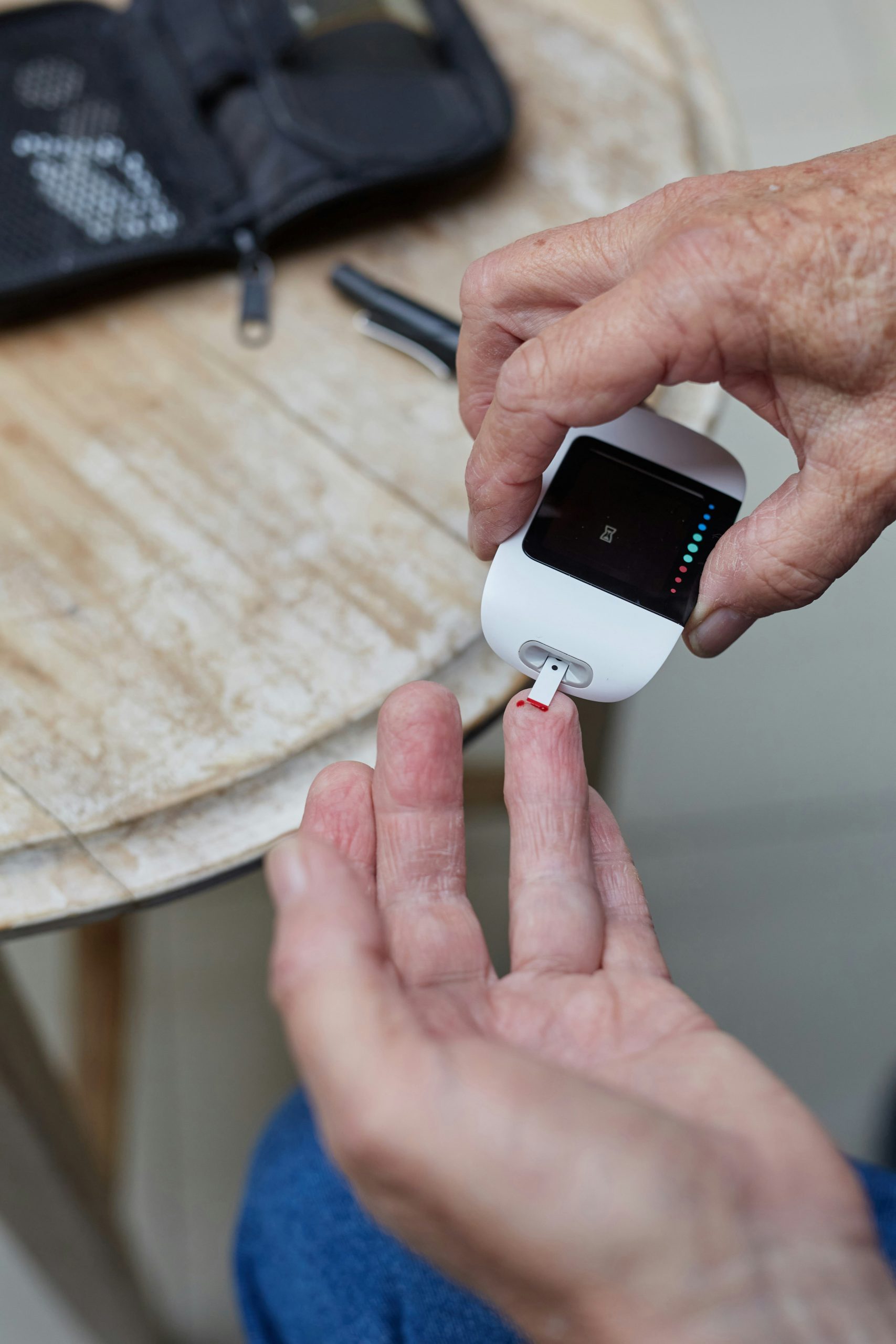
Urinalysis can detect blood in the urine that is not visible, which is relevant to bladder cancer, one of the cancers named in the research.
Ultrasound imaging of the abdomen and, where appropriate, testicular assessment can identify masses in organs where symptoms typically appear late.
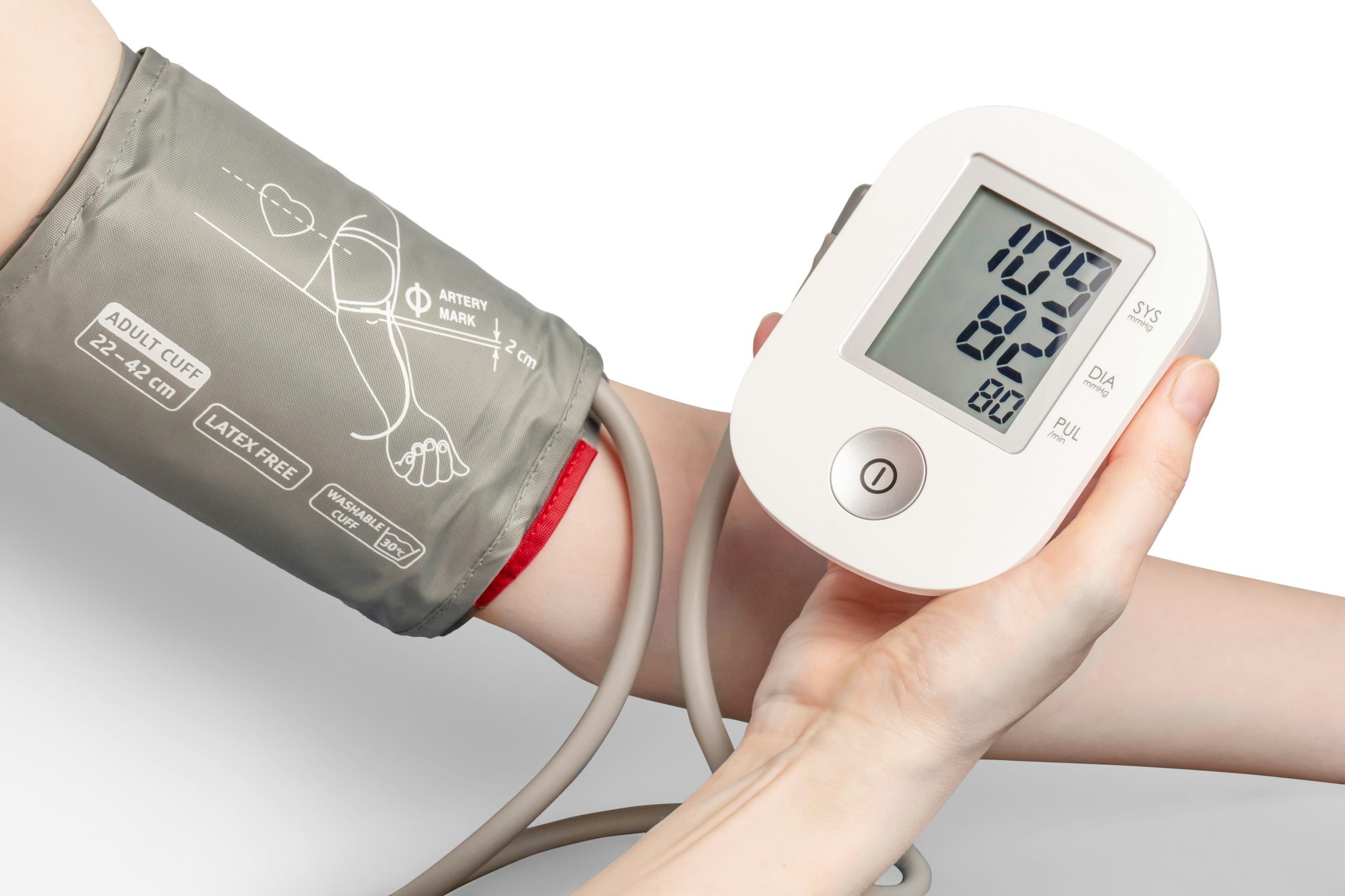
Comprehensive blood work including a complete blood count can reveal abnormalities that warrant further investigation, and PSA testing is relevant for men in the appropriate age range.
None of these guarantees anything. What they do is find things earlier than symptoms would, and for most of the cancers involved, earlier detection meaningfully changes treatment options.
A Note on Screening Age
General population screening guidelines are built around general population risk. Where an occupational exposure raises risk, the case for beginning screening earlier or repeating it more frequently strengthens. That is a clinical judgment for a physician who knows the individual’s history and exposures, not a blanket rule, and it is one of the reasons a real physician evaluation is more useful than a testing menu.
How NDS Wellness Screens Officers for Cancer Risk
NDS Wellness brings physician-led screening to your department across every watch. Our police health and wellness programs include cancer screening components alongside the cardiovascular and metabolic assessment.
Officers receive a full physical examination including a skin check, comprehensive blood analysis, urinalysis, and ultrasound imaging including abdominal organ assessment. Findings are reviewed by a radiologist, and any abnormal result triggers a provider consultation and coordinated follow-up care rather than a note in a file.
Results stay confidential between the officer and the clinician. For departments interested in how a comparable program performs in a first responder population, our case studies document aggregate findings from delivered programs.