
Ask a room of officers how they are sleeping and you will get shrugs. Poor sleep is treated as a cost of doing business in policing, somewhere between an inconvenience and a personality trait. The research suggests it should be treated as a health finding.
Chronic sleep loss is not simply tiredness carried forward. It changes blood pressure regulation, glucose processing, and inflammatory markers in ways that accumulate across a career. And a substantial share of officers are not merely sleeping badly, they are carrying undiagnosed sleep disorders that are themselves treatable. This article covers what the research has found, the physical health consequences, and what screening can identify.
Key Insights
- Sleep disorders are widespread and largely undiagnosed: A study of nearly 5,000 police officers published in JAMA found 40.4 percent screened positive for at least one sleep disorder, with most previously undiagnosed.
- Obstructive sleep apnea was the most common finding: That same study found 33.6 percent of officers screened positive for obstructive sleep apnea, a condition with direct cardiovascular consequences.
- Poor sleep quality predominates in shift working officers: Research on officers working a twelve hour roster found poor sleep quality in 69 percent of the sample and significant fatigue in 51 percent.
- The effects are cardiovascular, not just cognitive: Sleep is when blood pressure normally falls, and chronic disruption of that pattern contributes to sustained hypertension and metabolic dysfunction.
- Sleep disorders are treatable once identified: Obstructive sleep apnea in particular responds well to treatment, which makes detection the barrier rather than the medicine.
What the Research Found
The Scale of Undiagnosed Sleep Disorders
The most significant study on this subject examined nearly 5,000 police officers in the United States and Canada and was published in JAMA. It found that 40.4 percent of officers screened positive for at least one sleep disorder, and the large majority of those had not been diagnosed. Obstructive sleep apnea was the most common, with 33.6 percent screening positive.
Those figures deserve a moment. In a population screened for physical capability at hire, roughly two in five carried a sleep disorder, and most did not know it. The study also associated positive screens with increased odds of adverse health and safety outcomes.
Sleep Quality in Shift Working Officers
A study published in the International Journal of Environmental Research and Public Health examined blood pressure, sleep quality, and fatigue among police officers working a twelve hour roster system. Poor sleep quality predominated at 69 percent of the sample, with fatigue severity at 51 percent. The researchers found blood pressure and fatigue levels strongly related after accounting for age, waist to hip ratio, and lifestyle risk factors.
What Sleep Loss Does to the Body
Blood Pressure Loses Its Nightly Recovery
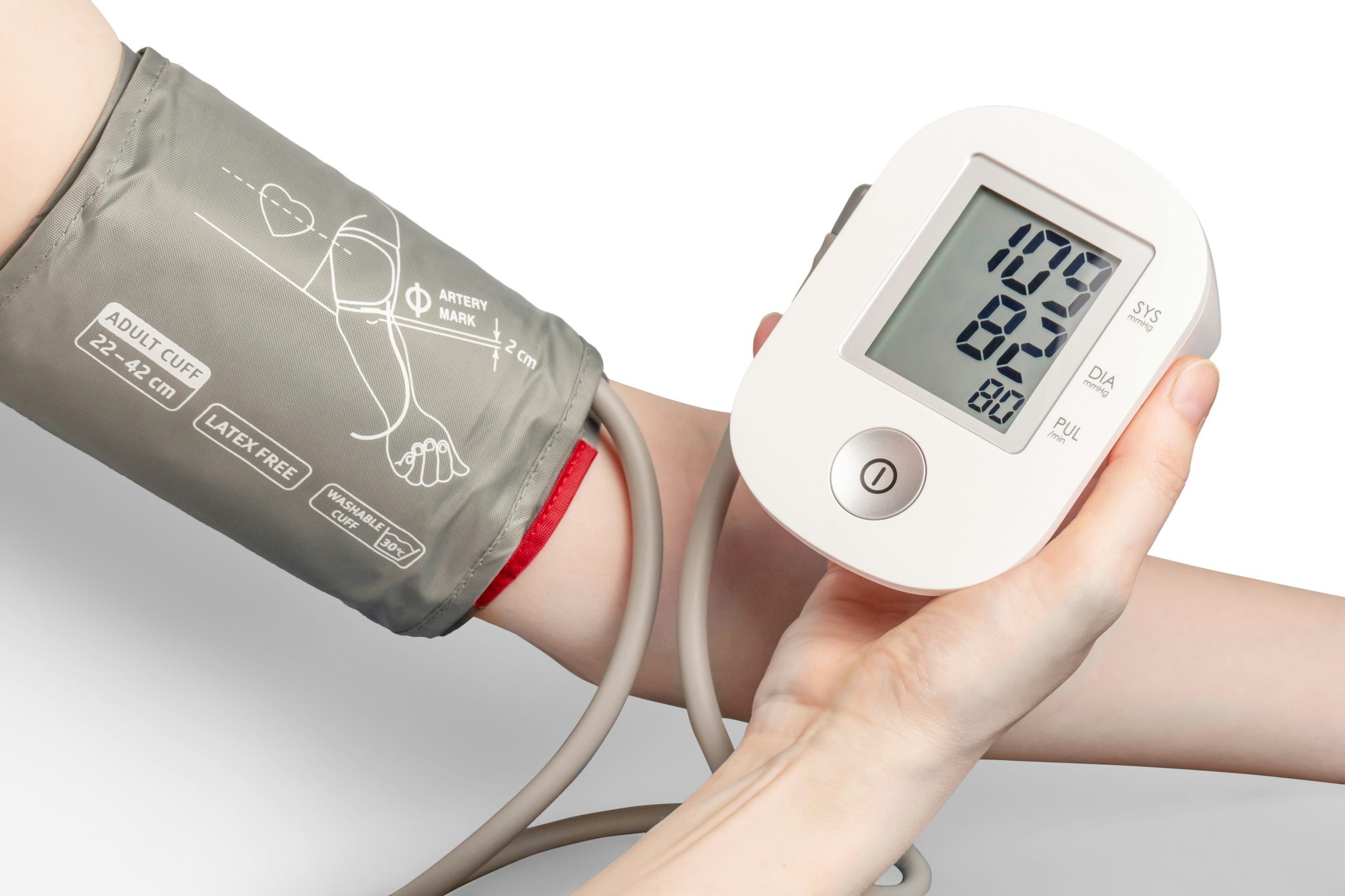
In a person sleeping normally, blood pressure falls overnight. That dip gives the cardiovascular system a daily period of reduced load, and it is a genuine physiological requirement rather than a bonus. Chronic sleep disruption interferes with it. Over years, the absence of that recovery contributes to sustained hypertension, which is itself the most common serious finding in first responder screening.
Glucose Processing Degrades
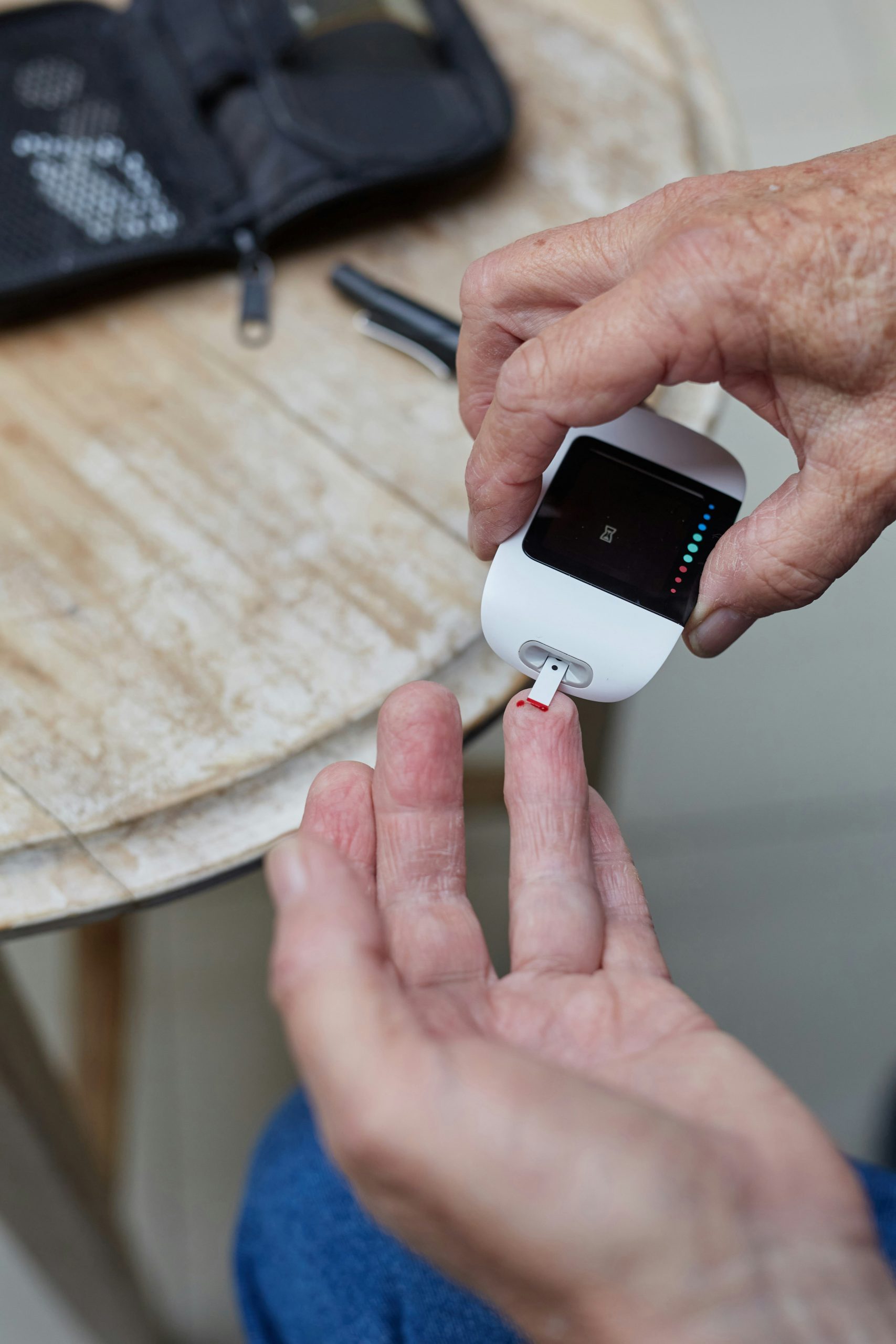
Insulin sensitivity is affected by both sleep duration and circadian alignment. Sleep restriction has been associated with impaired glucose tolerance in controlled research, and the effect compounds when sleep loss is chronic rather than occasional. This is one of the mechanisms connecting shift work to elevated metabolic risk.
Obstructive Sleep Apnea Carries Its Own Cardiac Risk
Obstructive sleep apnea is worth separating from general sleep deprivation because it is a distinct medical condition with distinct consequences. Repeated interruption of breathing during sleep produces cycles of oxygen desaturation that strain the cardiovascular system directly. Untreated sleep apnea is associated with hypertension, arrhythmia, and elevated cardiovascular risk.
It is also frequently invisible to the person who has it. The condition occurs during sleep, so the symptoms an officer notices are daytime fatigue and poor rest quality, which are easy to attribute to the schedule rather than to a treatable disorder.
Why Officers Do Not Get This Looked At
Two reasons, and they compound each other.
The first is normalization. When everyone on the shift sleeps badly, sleeping badly stops looking like a problem worth raising with a physician. It becomes the baseline against which everything else is measured.
The second is the same access barrier that affects every other aspect of officer health. Evaluating a sleep disorder means a physician visit, potentially a referral to a sleep specialist, and time off. An officer already short on rest is not spending a rest day on an appointment about being tired.
The result is a large population of treatable conditions going untreated, which the JAMA findings describe precisely.
What Screening Actually Catches
Screening does not measure sleep directly, but it captures the downstream effects that matter most, and it captures them early.
Blood pressure evaluation identifies the sustained hypertension that chronic sleep disruption contributes to. Comprehensive blood work reveals the glucose and metabolic changes that accompany it, including fasting glucose and HbA1c. A cardiovascular assessment including a 12-lead EKG and echocardiogram evaluates the heart itself, which is where untreated sleep apnea eventually leaves its mark.
Just as importantly, a physician reviewing those results with an officer can ask about sleep directly. A conversation about fatigue during a screening appointment is often the first time an officer describes their sleep to a clinician, and it is the point at which a referral for proper sleep evaluation can happen.
How NDS Wellness Screens for the Effects of Poor Sleep
NDS Wellness brings physician-led screening to your department across every watch, including overnight, so officers are evaluated during working hours rather than during the sleep period they already struggle to protect. Our police health and wellness programs assess the cardiovascular and metabolic markers that chronic sleep disruption affects.
Each officer receives comprehensive blood analysis covering glucose and metabolic markers, a blood pressure evaluation with personalized guidance, a 12-lead EKG, a stress test with cardiologist interpretation, an echocardiogram, and a full physical examination. A physician reviews the findings with the officer in person, which is where sleep problems frequently surface and where a referral can be made.
Results stay confidential between the officer and the clinician, and follow-up care is coordinated when a finding needs attention.