
Few subjects in law enforcement generate more argument than fitness standards for working officers. The debate usually runs along familiar lines: one side notes that the job can demand maximum physical output without warning, the other points out that standards are difficult to design fairly, legally complicated, and often resented by the people subject to them.
What tends to be missing from the argument is data on what actually exists. This article covers what the research found when researchers surveyed every state, why standards vary as much as they do, and a distinction that gets lost in the debate: the difference between testing whether an officer can perform, and evaluating whether an officer is healthy. Those are different questions requiring different tools.
Key Insights
- Most states do not mandate standards for working officers: A 2025 survey of state POST commissions with a 98 percent response rate found that 88 percent of states did not mandate physical fitness standards for incumbent officers.
- Entry and academy requirements vary just as widely: Roughly 39 percent of states mandated no statewide academy entry fitness test, and the same proportion mandated no exit test for graduation.
- The most widely used norms were never designed as standards: Cooper Institute normative data is commonly used to build law enforcement standards, though the Cooper Institute itself has stated its data should not be used for that purpose.
- Legal exposure shapes policy heavily: Standards must be validated through job task analysis to be legally defensible, and litigation risk is a documented reason agencies hesitate to adopt them.
- Fitness testing is not medical evaluation: A test measures performance on a given day. It does not detect high blood pressure, abnormal cholesterol, or silent cardiac disease, which is why departments serious about officer health need both.
What the National Picture Actually Looks Like
In 2025, researchers published a descriptive analysis in the International Journal of Exercise Science that surveyed Peace Officer Standards and Training commission representatives in every state. Forty nine of fifty states responded, a 98 percent response rate, which makes it the clearest available picture of state level mandates.
The headline finding is that most states mandate very little. Only 8 percent of states, four in total, mandated minimum physical fitness standards for incumbent officers. The overwhelming majority, 88 percent, did not.
Academy requirements were similarly variable. About 39 percent of states did not mandate any statewide entry fitness test for academy admission, while 31 percent had entry tests scored by age and gender and 29 percent used age and gender neutral scoring. For exit testing before academy graduation, again 39 percent mandated nothing statewide, 35 percent used age and gender neutral tests, and 24 percent scaled by age and gender.
One clarification matters for reading these numbers. The survey measured state mandates, not what individual agencies do. There are more than 800 law enforcement training academies and many thousands of agencies in the United States, and individual departments frequently impose requirements their state does not mandate. A department can and often does run annual fitness testing in a state with no statewide requirement.
Why Standards Vary So Much
Legal Defensibility Is Genuinely Difficult
A fitness standard applied to working officers must be defensible if challenged. That generally requires a job task analysis establishing which physical tasks the job actually demands and how critical each is, followed by evidence that the chosen tests validly measure the ability to perform those tasks at a minimum acceptable level. That process takes time and expertise, and doing it poorly creates exposure rather than protection. Litigation over fitness testing has occurred, and the risk of legal challenge is a documented reason agencies hesitate.
Norms and Standards Are Not the Same Thing
This distinction is widely misunderstood. Cooper Institute normative data describes how a population performs, sorting individuals into percentiles by age and sex. Many agencies build requirements around it, commonly setting a threshold at a given percentile. But the Cooper Institute has stated that its normative data should not be used to set standards, because a percentile describes typical performance rather than the minimum capability a job requires. Those are different questions, and only the second can be defended as job related.
Recruitment Pressure Cuts Against Requirements
Agencies across the country face recruitment and retention difficulties. Fitness requirements exclude candidates, and when applicant pools shrink, pressure builds to relax anything that reduces them further. The 2025 research explicitly noted this tension as a reason commissions may decline to mandate entry testing.
Officers Often Oppose Them
Research examining officer perceptions has found that officers may not favor specific fitness standard policies. That matters practically. A standard introduced without buy-in, particularly one perceived as punitive, tends to generate grievances rather than fitness.
What Standards Typically Look Like Where They Exist
Departments that do test incumbent officers commonly draw on a battery covering aerobic capacity, muscular endurance, and functional job tasks. A frequent configuration includes a 1.5 mile run for cardiorespiratory endurance, a timed push-up test for upper body muscular endurance, a timed sit-up test for core endurance, and a short sprint such as a 300 meter run for anaerobic capacity. Some agencies add job task simulations including body drags, obstacle courses, or stair climbs, which have the advantage of being more directly defensible as job related.
Thresholds vary considerably. As one published example, the St. Petersburg Police Department requires newly hired officers to pass an annual fitness test, using Cooper standards at a 10 percent threshold by age and sex, requiring satisfactory completion of three of six tests, with two additional attempts available within a 60 day period. That structure illustrates the common pattern of setting a floor rather than a demanding benchmark and building in reasonable opportunity to meet it.
What Fitness Testing Does Not Tell You
This is the part of the debate that gets overlooked, and it matters more than the argument about thresholds.
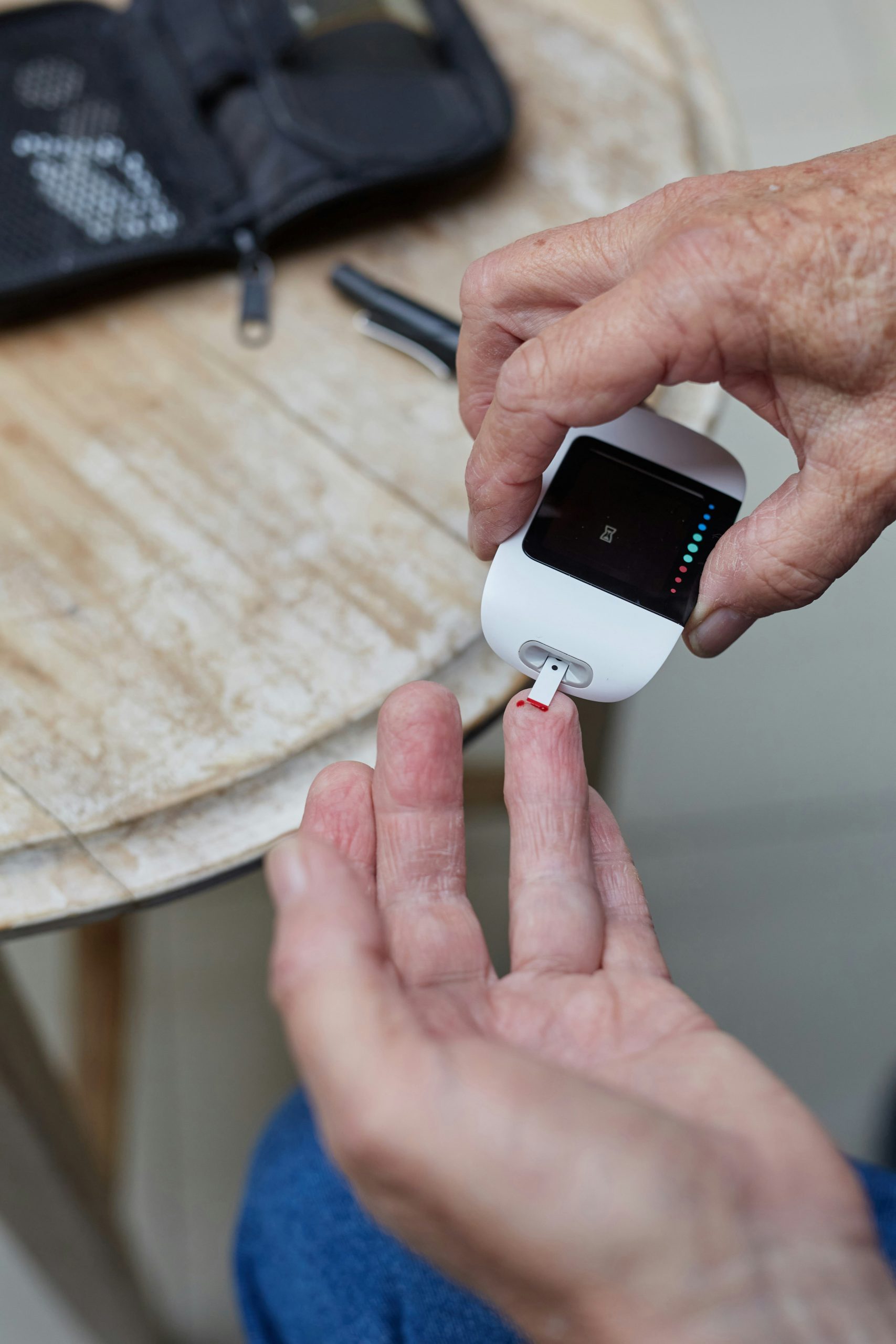
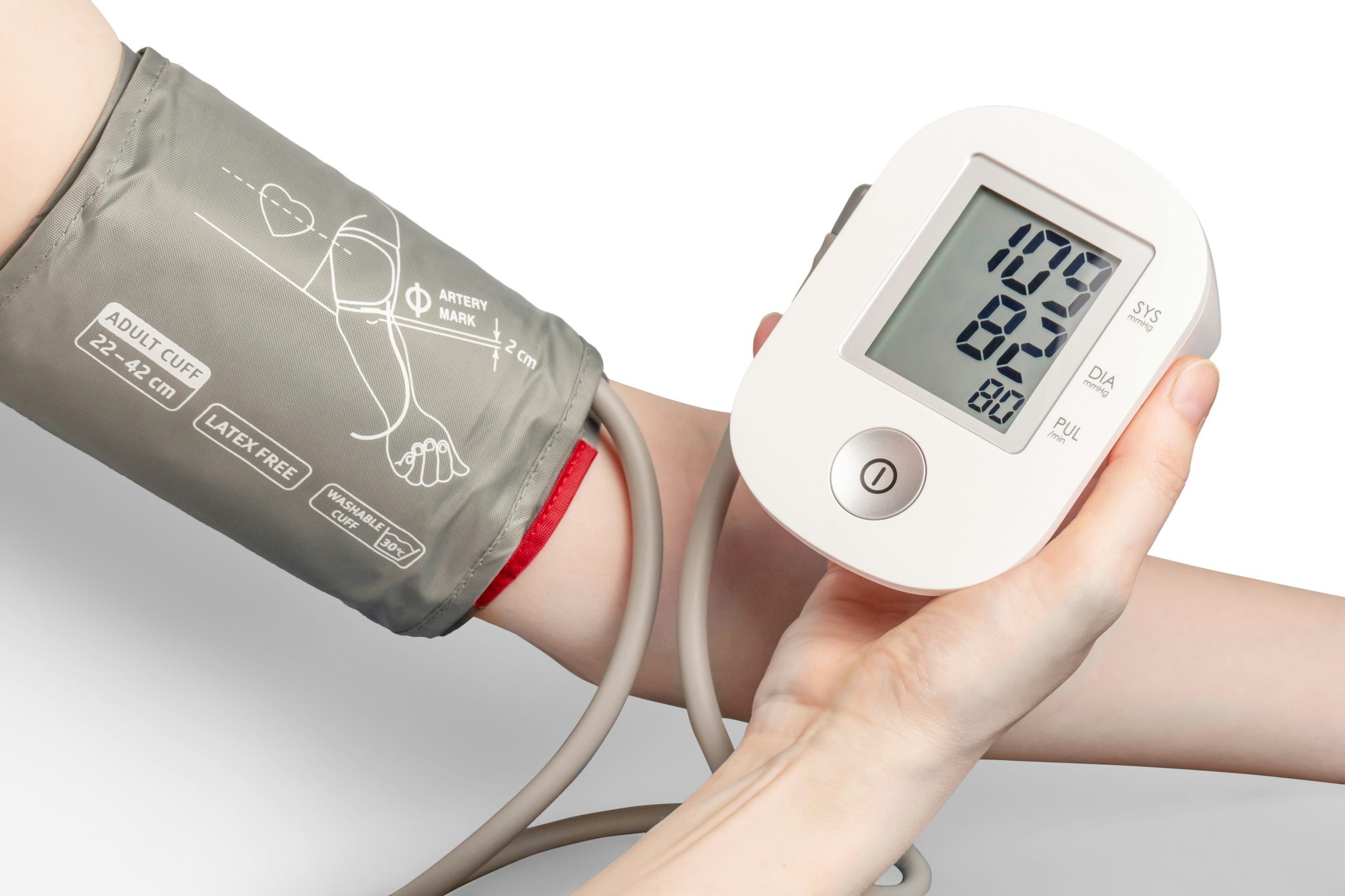
A fitness test measures what an officer can do on a particular morning. It does not measure blood pressure trends, cholesterol, blood glucose, cardiac structure and function, or the presence of arterial plaque. An officer can post a strong 1.5 mile time while carrying stage 2 hypertension, elevated LDL cholesterol, and early metabolic syndrome, because those conditions produce no symptoms and do not meaningfully degrade a short run.
The reverse is also true. An officer who fails a push-up threshold may be cardiovascularly healthy, and an officer who passes everything may be the one at genuine risk.
This distinction has consequences. Research has consistently found cardiovascular disease common among law enforcement personnel, and cardiorespiratory fitness is one of the strongest predictors of cardiovascular outcomes in the general population. But a pass or fail on a fitness battery is not a cardiovascular assessment. The tests answer different questions: can this officer perform the physical demands of the job, and is this officer’s cardiovascular system healthy. A department needs answers to both, and one test cannot provide them.
Where Fitness Testing Fits Best
Research has suggested that fitness testing for incumbent officers is most valuable when used for education and motivation, encouraging officers to exercise and limiting the fitness decline that comes with age, rather than as a purely pass or fail gate. One study documented that participation in health and wellness programs could limit fitness decrements that occur with age among police officers.
That framing tends to work better in practice. Testing as feedback, paired with support and resources, produces engagement. Testing as a threat produces resistance and, frequently, grievances.
How NDS Wellness Fits Alongside Fitness Standards
NDS Wellness does not administer fitness tests. We provide the medical evaluation that fitness testing cannot substitute for, delivered on-site at your department across every watch through our police health and wellness programs.
Officers receive comprehensive blood analysis covering lipids, glucose, and metabolic markers, a complete physical examination, and a full cardiovascular workup including a 12-lead EKG, a stress test with cardiologist interpretation that includes VO2 max measurement, an echocardiogram, carotid artery ultrasound, abdominal aortic aneurysm screening, and ABI peripheral artery assessment.
The VO2 max measurement is worth noting in this context, because it is the point where fitness and medical assessment genuinely meet. It quantifies cardiorespiratory capacity, which is both a fitness metric and one of the strongest available predictors of cardiovascular outcomes, and it is measured under cardiologist supervision rather than inferred from a run time.
Results stay confidential between the officer and the clinician. That confidentiality is what separates a health program from an evaluation, and it is a large part of why officers participate.