
Stroke gets far less attention in law enforcement health discussions than cardiac risk, which is odd given that the two share nearly all the same drivers. High blood pressure, abnormal cholesterol, elevated blood glucose, and shift work all contribute to both. An officer accumulating cardiac risk is usually accumulating stroke risk at the same time.
Stroke also differs from cardiac events in one respect that matters enormously: the response window. Treatment effectiveness depends heavily on how quickly it begins, which makes recognizing the warning signs a genuinely operational skill. This article covers what drives stroke risk in policing, what screening can detect before anything happens, and the signs every officer should be able to identify.
Key Insights
- Stroke shares its risk factors with cardiac disease: High blood pressure, abnormal cholesterol, elevated blood glucose, and shift work drive both, so officers accumulating one are usually accumulating the other.
- High blood pressure is the leading modifiable risk factor: Hypertension is the most common serious finding in first responder screening and is also the single largest controllable contributor to stroke risk.
- Research has found elevated cerebro-cardiovascular risk in police: A nationwide cohort study found increased risk of developing cerebro-cardiovascular disease, including ischemic and hemorrhagic stroke, among police officers compared with a matched occupational group.
- Carotid plaque can be detected before symptoms: Ultrasound of the carotid arteries can identify the plaque buildup that leads to stroke, often years before any warning sign appears.
- Recognition speed changes outcomes: Stroke treatment is time dependent, which makes knowing the warning signs an operational matter for officers and their partners alike.
What Stroke Actually Is
A stroke occurs when blood flow to part of the brain is interrupted. In an ischemic stroke, the most common type, a clot blocks a vessel supplying the brain, frequently at a point where plaque has already narrowed it. In a hemorrhagic stroke, a vessel ruptures and bleeds into the brain, and high blood pressure is a major contributor.
The distinction matters clinically because treatment differs, but the prevention picture is similar for both. The conditions that damage blood vessels over years are what set up either event.
Why Policing Raises Stroke Risk
The Shared Risk Factors
Nearly every driver of cardiovascular risk in policing also drives stroke risk.
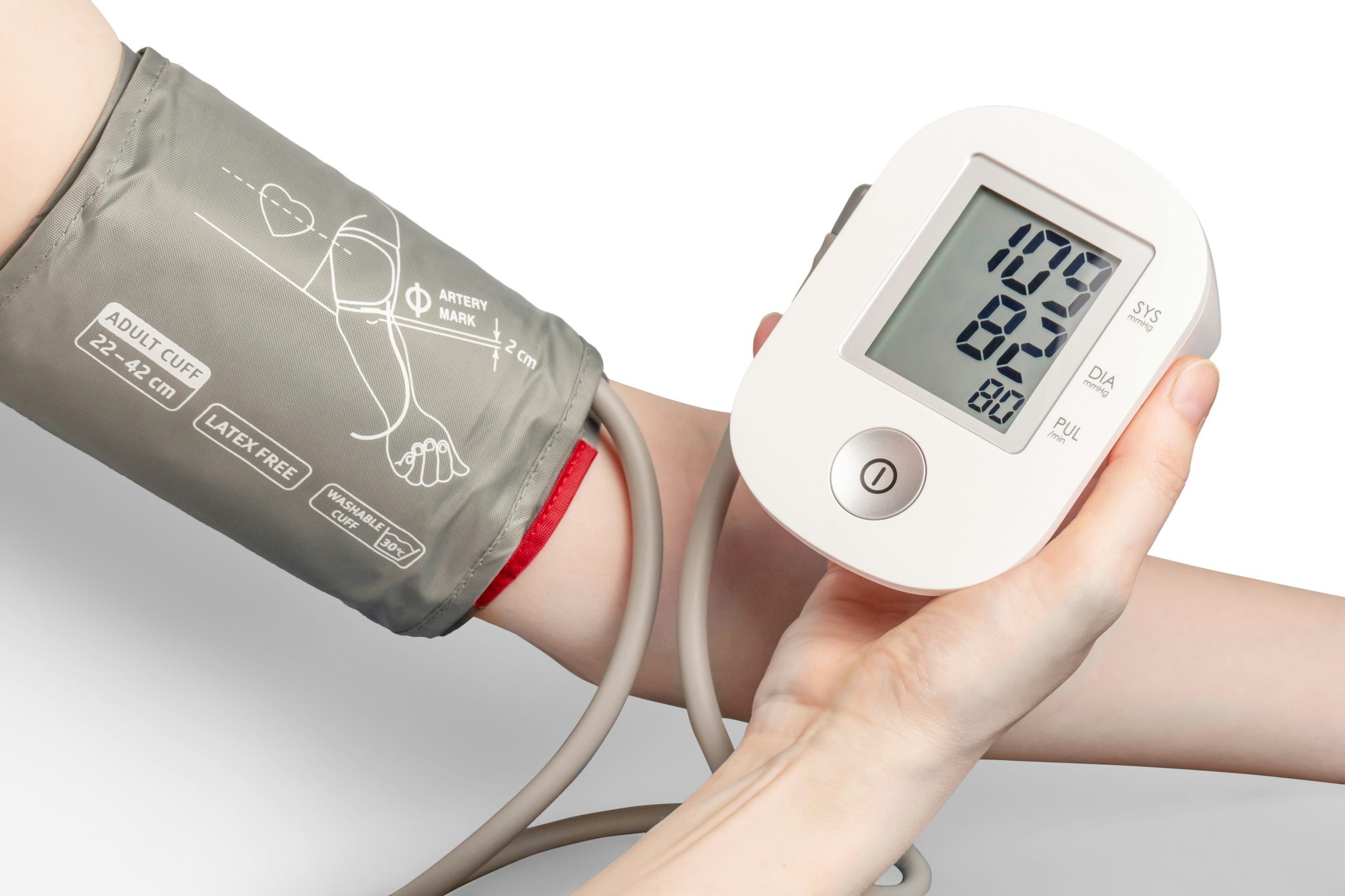
High blood pressure is the leading modifiable risk factor for stroke. It damages arteries throughout the body, including those supplying the brain, and it contributes directly to hemorrhagic stroke. It is also the most common serious finding in first responder screening and produces no reliable symptoms.
Abnormal cholesterol accelerates the plaque buildup that narrows arteries, including the carotid arteries in the neck that carry blood to the brain.
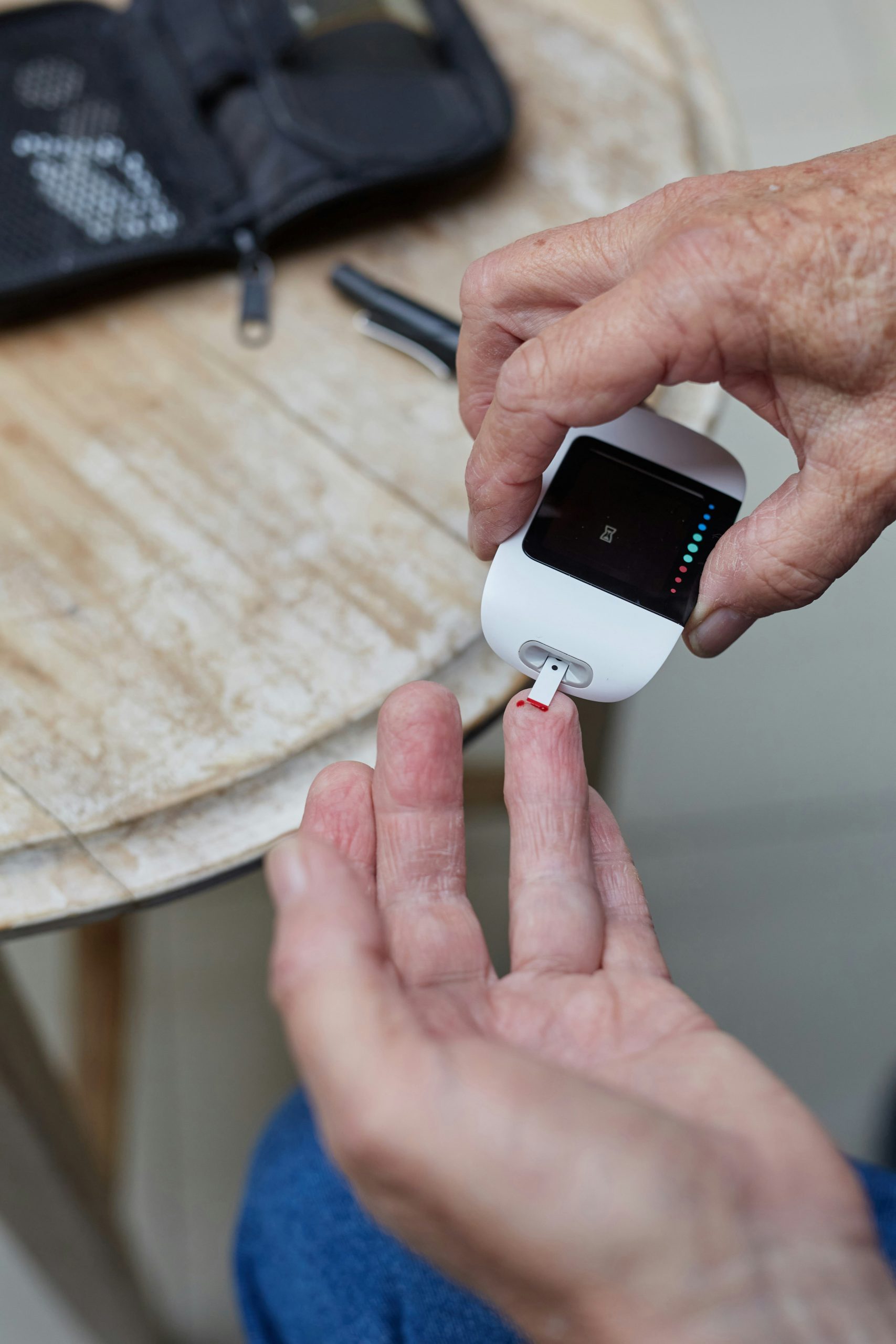
Elevated blood glucose damages blood vessels over time and is an independent stroke risk factor. Research has estimated metabolic syndrome prevalence among police officers at 26.2 percent, and its components overlap heavily with stroke risk factors.
Shift Work and Cardiovascular Disease
A population based retrospective cohort study published in Clinical Hypertension compared police officers with matched education officers and examined the development of cerebro-cardiovascular disease, including acute myocardial infarction, ischemic stroke, and hemorrhagic stroke. It found increased risk among police officers, and the authors noted that night shifts disrupt circadian rhythms, meal schedules, and sleeping patterns, with associated increases in cardiovascular disease risk.
Atrial Fibrillation
Irregular heart rhythm deserves specific mention because it is both a significant stroke risk factor and detectable on a routine EKG. Atrial fibrillation allows blood to pool in the heart, where clots can form and later travel to the brain. It sometimes produces noticeable symptoms and sometimes does not, which is why the EKG matters even in officers who feel entirely well.
What Screening Detects Before Anything Happens
Stroke prevention is unusually well served by screening, because the setup conditions are measurable long before an event.
Carotid artery ultrasound examines the major arteries in the neck supplying blood to the brain and can detect plaque buildup directly. This is the most specific stroke screening test available, and it uses sound waves with no radiation.
Blood pressure evaluation identifies the leading modifiable risk factor, and clinical assessment distinguishes a single elevated reading from sustained hypertension.
A 12-lead EKG can reveal atrial fibrillation and other rhythm abnormalities that raise stroke risk.
Comprehensive blood work covering cholesterol, glucose, and metabolic markers identifies the metabolic contributors that accelerate arterial damage.
Together these describe an officer’s stroke risk profile while every component is still modifiable.
The Warning Signs Every Officer Should Know
Stroke treatment is time dependent. Recognizing it quickly, in yourself or in a partner, changes what treatment is possible.
The American Stroke Association uses the acronym FAST:
- F, Face drooping. One side of the face droops or feels numb. Ask the person to smile and check whether it is uneven.
- A, Arm weakness. One arm is weak or numb. Ask the person to raise both arms and see whether one drifts downward.
- S, Speech difficulty. Speech is slurred, the person cannot speak, or is hard to understand. Ask them to repeat a simple sentence.
- T, Time to call 911. If any of these signs appear, even if they go away, call 911 immediately and note the time the symptoms started.
Other sudden symptoms warrant the same response: sudden numbness or weakness particularly on one side, sudden confusion or trouble understanding, sudden vision trouble, sudden severe difficulty walking or loss of balance, or a sudden severe headache with no known cause.
Two things matter operationally. First, symptoms that resolve on their own still require emergency evaluation, because a transient event is frequently a warning that a larger one is coming. Second, note the time symptoms began, because treatment options depend on it. Do not drive yourself or a partner to a hospital. Call 911.
How NDS Wellness Screens Officers for Stroke Risk
NDS Wellness brings physician-led screening to your department across every watch. Our police health and wellness programs include stroke-specific screening alongside the cardiac assessment, because the two risk profiles overlap so heavily.
Officers receive a carotid artery ultrasound examining the arteries that supply the brain, a 12-lead EKG that can identify rhythm abnormalities including atrial fibrillation, a blood pressure evaluation with personalized management guidance, and comprehensive blood analysis covering cholesterol, glucose, and metabolic markers. An echocardiogram, abdominal aortic aneurysm screening, and ABI peripheral artery assessment complete the vascular picture.
Detailed written reports come from a radiologist and a cardiologist, and any abnormal finding triggers a provider consultation and coordinated follow-up care. Results stay confidential between the officer and the clinician.
Screening identifies risk before an event. It is not emergency care. Any officer experiencing stroke symptoms should call 911 immediately.